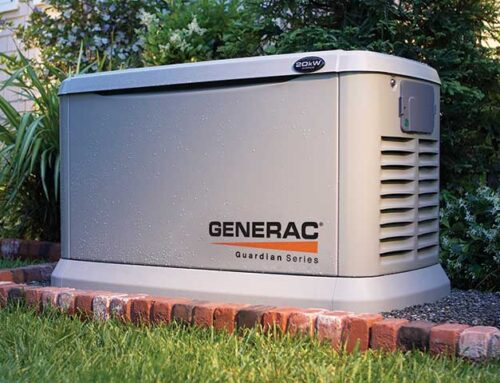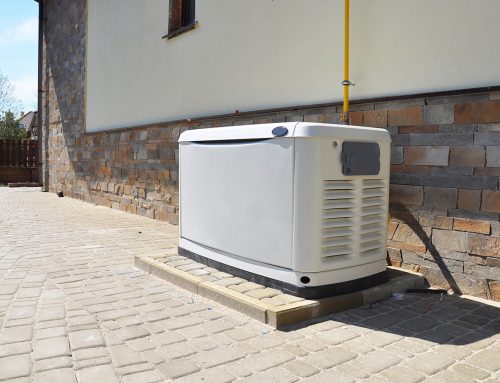
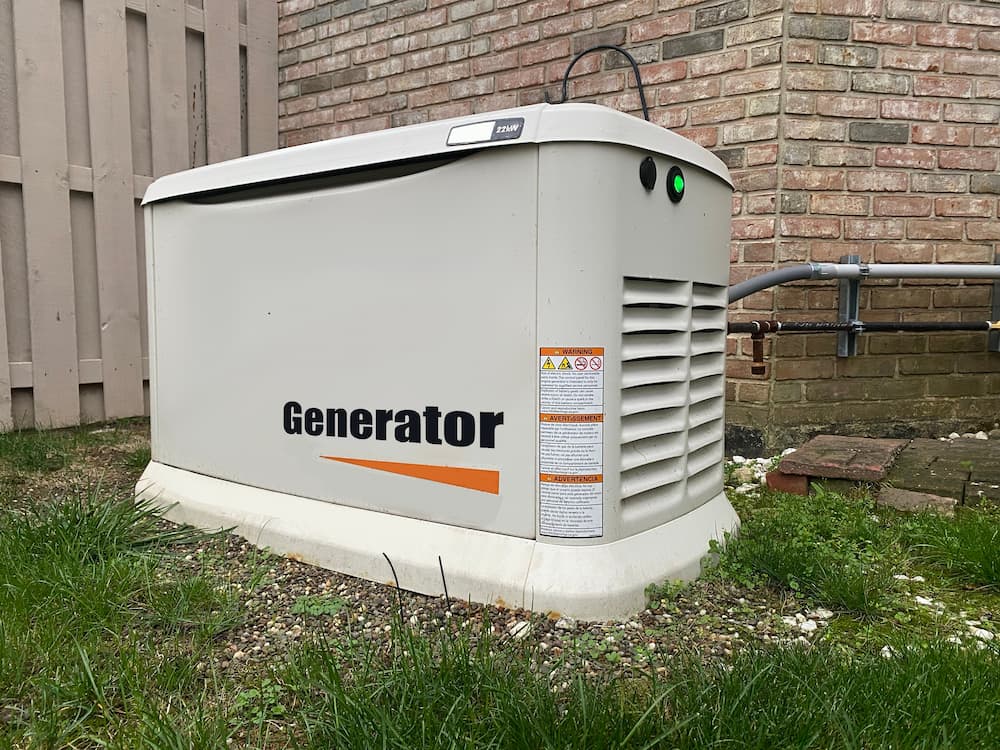
A home generator gives you peace of mind by keeping your Maine home running during storms that cause power outages. However, generators have a limited lifespan. It’s important to notice when your unit is starting to fail. Replacing an old or broken generator before an outage helps keep your family safe and comfortable.
Frequent Breakdowns and Rising Repair Costs
It’s normal for any machine to need a repair now and then. But if you’re calling for service often, that’s a sign that something is wrong. Frequent repairs can get expensive fast. If you’re spending a lot on fixes, it may be smarter to put that money toward a new, reliable generator instead.
Reduced Power Output or Efficiency
Your generator should deliver steady, full power when you need it. If your standby unit can’t run all your appliances or your portable model feels weaker than before, the parts inside may be wearing out. An inefficient generator uses more fuel but gives you less electricity, which raises your costs during an outage. Newer generators are more fuel-efficient and reliable.
The Age of Your Current Unit
Standby generators usually last 20 to 30 years, while portable ones last about 10 to 20 years, depending on how they’re used and maintained. If your generator is getting close to these ages, it’s a good idea to consider a replacement. Even well-maintained older units don’t have the safety features or fuel efficiency of new models. If you wait until your old generator fails, you could be left without power during a storm.
Act Now for Reliable Power
Don’t wait for a big winter storm to find out your generator isn’t working. If you spot these warning signs early, you can plan for a replacement without stress. Valley Home Heating can help Maine homeowners choose the right standby or portable generator. We install systems designed for the cold Northeast weather. Contact us today to schedule a consultation for your new generator installation.
Image credit: // Shutterstock // Maxine Headroom Studios